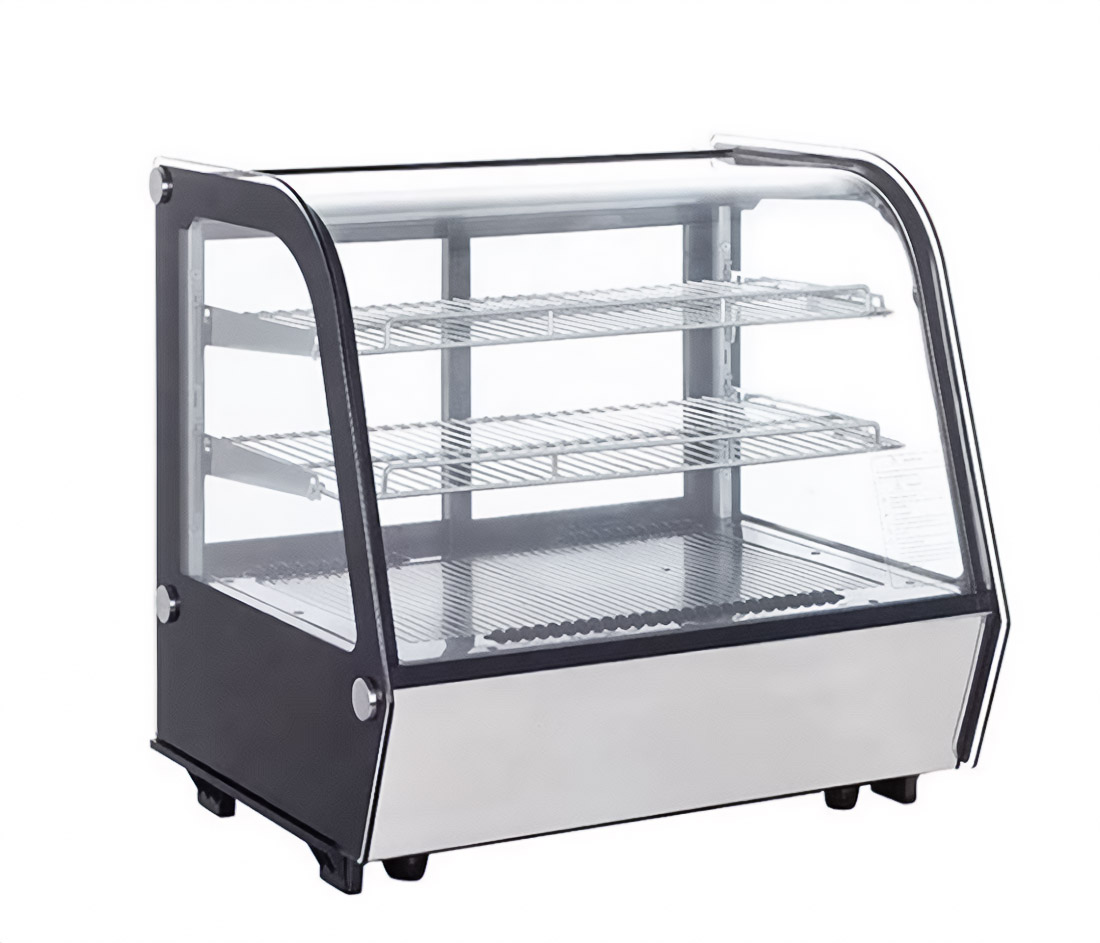
Low GWP Refrigerants: Meeting 2025 Requirements in Commercial Systems
In recent years, attention to the environmental friendliness of air solutions heating and cooling systems has been growing every month. In 2025, new rules will limit refrigerants with high GWP in commercial systems. Owners and designers will need to switch to new types and update equipment.
Page Content
Why is it Important to Switch to Refrigerants with Low GWP

Refrigerants such as R 410A, used in heating and cooling systems, have high GWP and add to the greenhouse effect. This is why new environmental rules started to limit their use.
Modern refrigerants with low GWP allow:
- Reduce the carbon footprint of the equipment.
- Reduce greenhouse gas emissions due to less damage caused by leaks.
- Ensure compliance with international standards and avoid penalties for non-compliance with new requirements.
Technical Solutions for Air Solutions Heating and Cooling
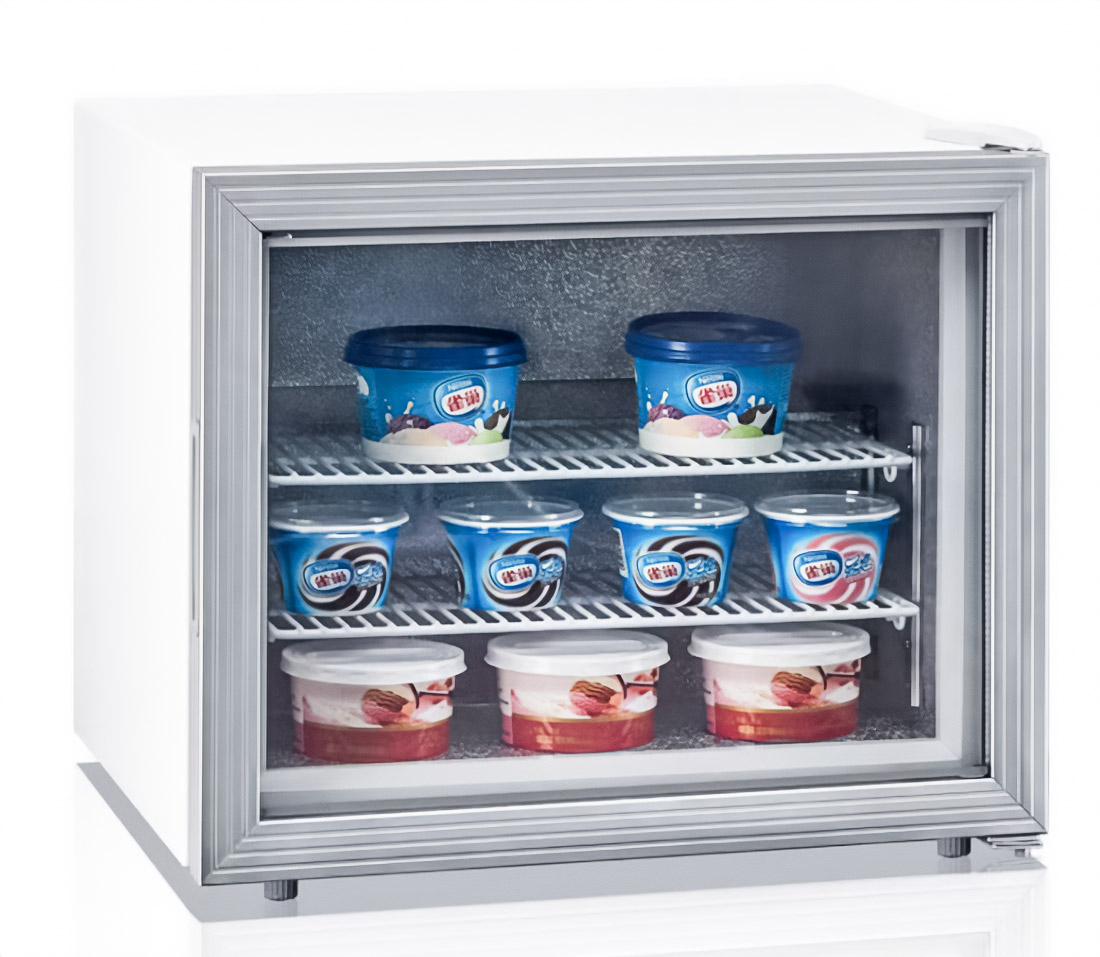
To meet the requirements of 2025, commercial heating and cooling systems are switching to new refrigerants:
- R‑32 is an energy efficient option with reduced GWP, suitable for many split systems.
- R‑454B is a more environmentally friendly compound that is being actively implemented in new chillers and VRF systems.
Both options ensure stable operation of the equipment, but require additional safety measures due to low flammability (class A2L). This is considered when designing and maintaining systems.
Complexities and Adaptation of Systems

Switching to new refrigerants is not just about replacing the refueling in an old compressor. New formulations require:
- Installation of equipment with improved tightness to prevent leaks.
- Replacement of valves, seals and heat exchangers so that they are compatible with A2L formulations.
- To train technical personnel to work with refrigerants that are more sensitive to storage and operating conditions.
In addition, it is important for designers to recalculate thermal and refrigeration loads for maximum energy efficiency in the conditions of the changed thermodynamics of new refrigerants.
Advantages for Commercial Buildings
- Energy saving
Modern refrigerant systems with low GWP are able to work more efficiently, reducing energy consumption by 10-15% due to improved compressors and heat exchangers. - Environmental friendliness
Switching to a low GWP reduces the overall climatic effect of the equipment and makes it easier to obtain environmental certificates for buildings. - Durability and reliability
The systems developed considering new standards demonstrate increased resistance to leaks and wear.
Steps for Business in 2025
To prepare for the new requirements, the owners and contractors of air solutions heating and cooling should:
- Audit existing equipment for compatibility with low‑GWP refrigerants.
- Plan to upgrade old systems or replace them completely with new models.
- Invest in the training of service personnel to work with new trains.
- Include solutions to reduce leaks and improve energy efficiency in projects.
Conclusion
Low GWP refrigerants are important for eco-friendly air solutions for heating and cooling. They meet 2025 rules and support better, more reliable technologies. Choosing the right equipment and smart design helps businesses save costs and stay competitive as environmental rules get stricter.

Skateboarder, dreamer, hiphop head, Eames fan and fullstack designer. Doing at the crossroads of aesthetics and computer science to develop visual solutions that inform and persuade. I work with Fortune 500 companies and startups.